The World
Sea level rise and the nations already planning to move
Gradual ocean rise is not a future threat for some communities; it is already reshaping coastlines, flooding homes, and forcing governments to consider relocating entire populations.
The World
Gradual ocean rise is not a future threat for some communities; it is already reshaping coastlines, flooding homes, and forcing governments to consider relocating entire populations.
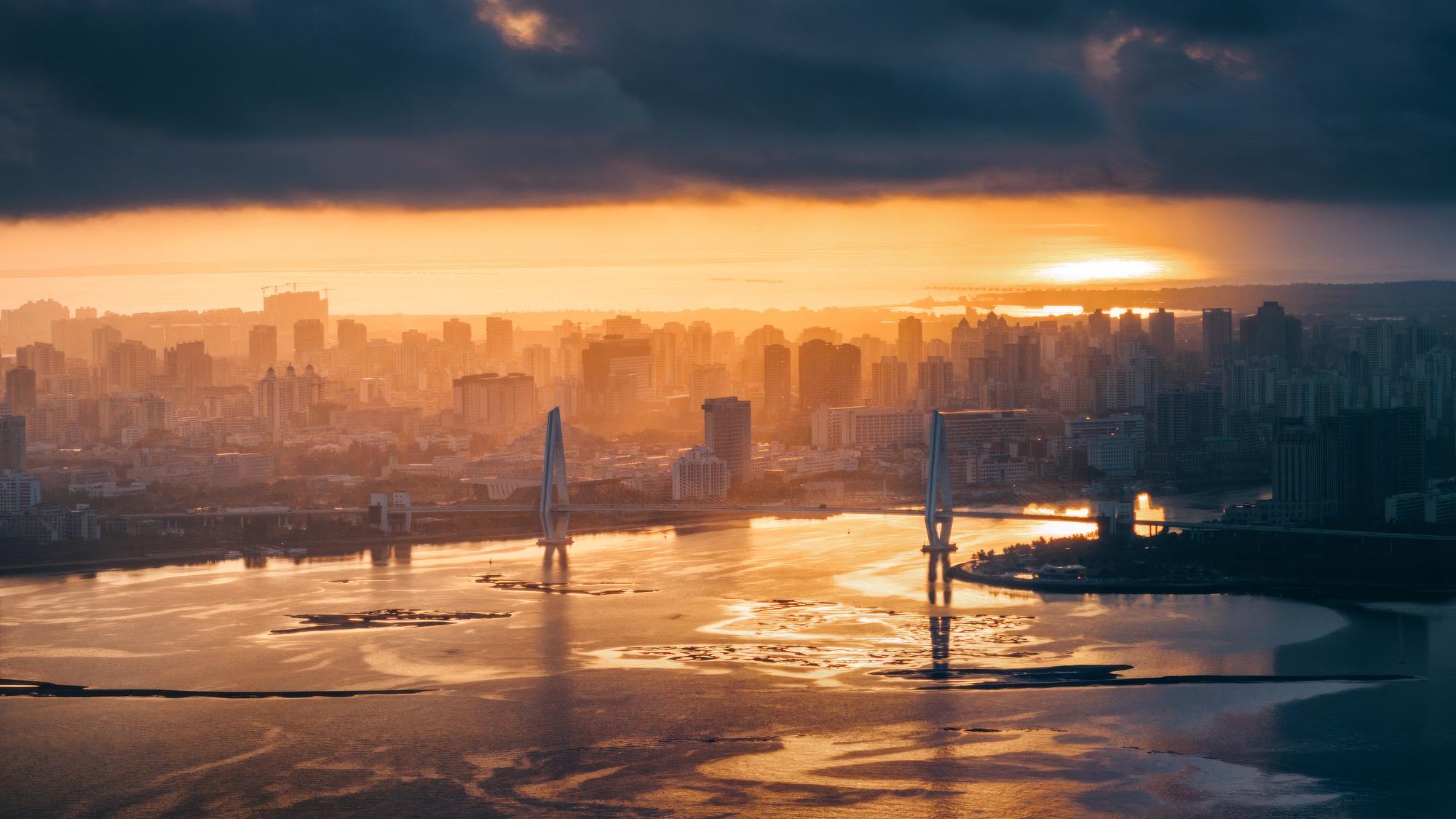
Sea levels have been rising globally for well over a century, driven by the thermal expansion of warming ocean water and the melting of ice sheets and glaciers. The rate of rise has accelerated in recent decades. For most large continental nations, this is a long-term planning problem. For low-lying island states and coastal communities, it is already a present reality that is eroding land, contaminating fresh water with saltwater, and making some places periodically or permanently uninhabitable.
Water expands slightly as it warms, and the oceans have absorbed a large proportion of the heat added to the climate system by greenhouse gas emissions. That alone raises sea levels. Separately, melting glaciers and ice sheets on land add new water to the oceans. The Greenland and Antarctic ice sheets are the largest stores of ice on Earth, and even partial melting of either would produce substantial sea level change over coming centuries.
Sea level rise is not uniform around the world. Ocean currents, gravitational effects from ice loss, and the slow rebound of land that was compressed under ancient ice sheets all mean some regions experience more rise than the global average and others less.
The Pacific island nations of Tuvalu, Kiribati, and the Marshall Islands sit only a few metres above sea level at their highest points. Storm surges, which are temporary but sometimes catastrophic rises driven by tropical cyclones, already inundate low-lying areas. Saltwater intrusion into freshwater lenses beneath the islands threatens drinking water and agriculture. Some communities have already relocated within their own islands to higher ground.
Tuvalu has pursued a legal strategy of maintaining its statehood even if its physical territory becomes uninhabitable, negotiating agreements with neighbouring countries to preserve its nationhood and the rights of its citizens. The question of what happens to a state that loses its land is an unresolved point in international law.
Coastal defences such as seawalls and raised infrastructure can buy time but not indefinitely, and they are extremely expensive relative to the economies of small island states. Managed retreat, the planned movement of communities away from vulnerable areas, is politically and socially difficult even when it is the most practical option. The funding of adaptation in vulnerable nations has been a persistent source of tension in international climate negotiations, with poorer countries arguing that wealthier, higher-emitting nations should bear a greater share of the cost.
Australia has a long coastline with significant infrastructure and population concentrated near the sea. Australian coastal councils are already beginning to factor sea level projections into planning decisions. But Australia's most direct geopolitical exposure is in the Pacific, where island neighbours face existential threats. Australia provides development assistance and climate finance to Pacific nations, and the displacement of populations from low-lying islands would have direct implications for Australian immigration, diplomacy, and regional stability. The Pacific Islands Forum, in which Australia participates, has made climate change its most prominent ongoing concern.
Sea level rise is measured in centimetres per decade at the global average, but those centimetres translate into existential consequences for low-lying nations. Australia's Pacific neighbourhood means this is not a distant problem.
This article was compiled by AI and screened before publishing. See our editorial standards.
Spread the word
More from The World
The Daily Network — local news across Australia